

Helm Built Egypt's Genuine Cup Team From Scratch in Three Months
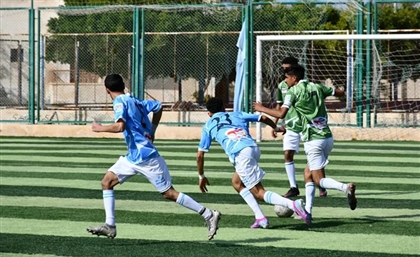
Helm assembled Egypt's team for the Genuine Cup, the international tournament for athletes with intellectual and developmental disabilities, and wants the players seen as athletes first.
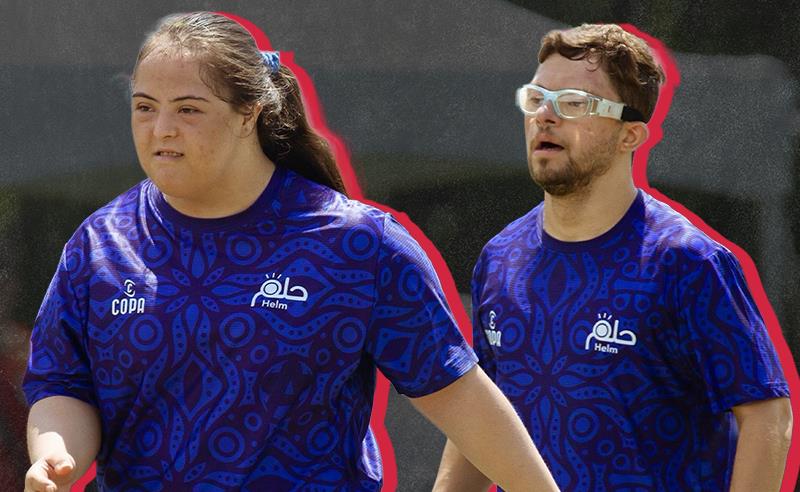
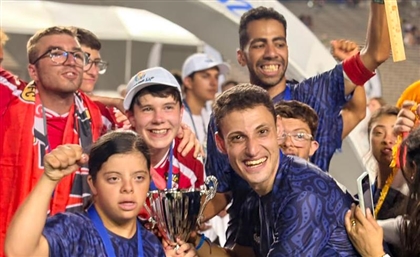
Twelve Egyptians are in Houston this week playing for their country at the Genuine Cup, the international football tournament for athletes with intellectual and developmental disabilities.
They have played three of their six group matches so far, beating Costa Rica and losing to the United States and Vietnam. Three fixtures remain and they are still in contention to reach the next stage.
Six of them had never left Egypt before. No federation picked them, and no national squad existed for them to join.
The team was assembled from scratch by Helm, a Cairo organisation that trained the players twice a week for three months.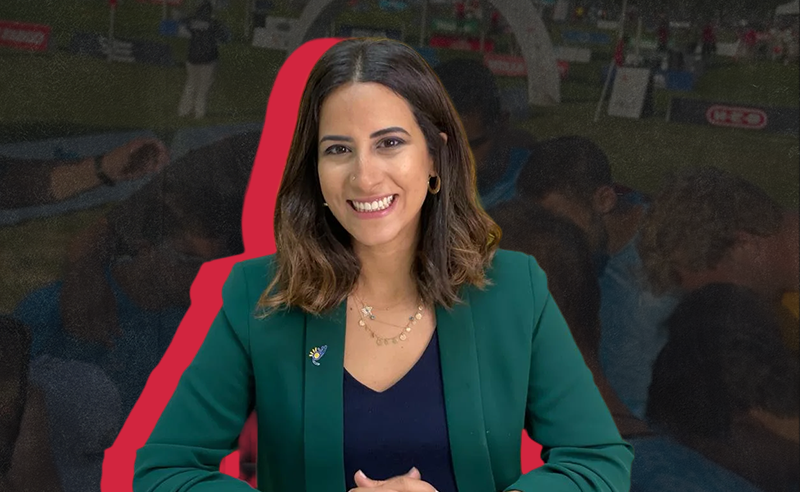
Founded by Amena El Saie and Ramez Maher in 2014, Helm has spent more than a decade challenging the way disability is understood in Egypt. Its work targets the environmental, institutional and social barriers that limit what people with disabilities are able to do.
Remove those barriers, the argument goes, and inclusion becomes a social and economic resource rather than a moral obligation.
When the Genuine Cup organisers went looking, at relatively short notice, for an Egyptian partner who shared their belief in inclusion through sport, they came to Helm and asked for an independent Egyptian team built from the ground up.
Applications came in from across the country, with players from several governorates, and the selection began.
Football ability mattered. It was not the only thing that did.
"We were looking for individuals with sportsmanship, teamwork, leadership and the ability to become ambassadors for inclusion," El-Saie tells SceneSports.
The final squad is nine men and three women between the ages of 20 and 35. They trained twice a week over three months with Helm and AIMZ, its Cairo-based football training partner.
"Some of our players had never played football before," El-Saie says. "We believed in their potential, we trained them, and we gave them the opportunity to discover a new passion."
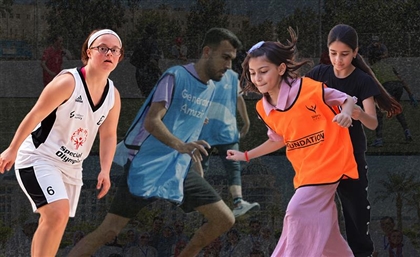
Helm had groundwork to build on. The organisation runs the Unity Cup, an inclusive tournament featuring pan-disability football and goalball, and that sits inside a much wider body of work running from accessibility training to employment and professional development for people with disabilities.
The Genuine Cup takes the same principle abroad. Modelled on Spain's LaLiga Genuine, the Houston tournament has brought more than 1,000 players and over 50 delegations together for a week of football at Rice University.
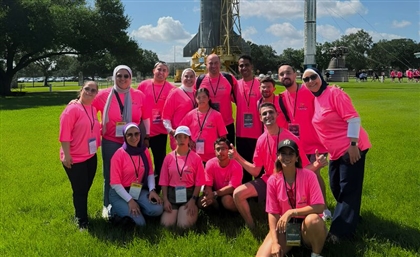
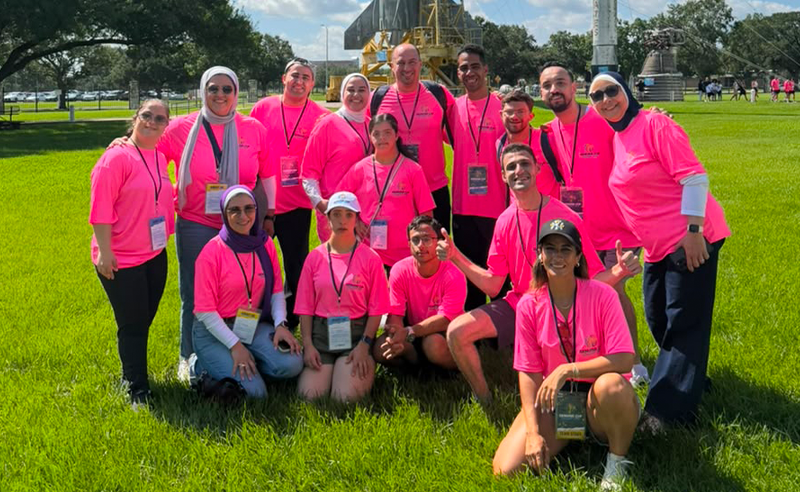
For the Egyptian squad the trip has gone beyond the pitch. Shortly before the tournament began they visited Space Center Houston, the official visitor centre of NASA's Johnson Space Center.
Getting everyone there was not straightforward.
Two visa applications were refused, including those of the goalkeeper and one of the coaches. The delegation had to reorganise, and Egyptian coach Ahmed El Sokary is leading the team in Houston alongside representatives from AIMZ.
There was also little time to find sponsors. The Genuine Cup covered the cost of taking part, and the players' families met much of the rest.
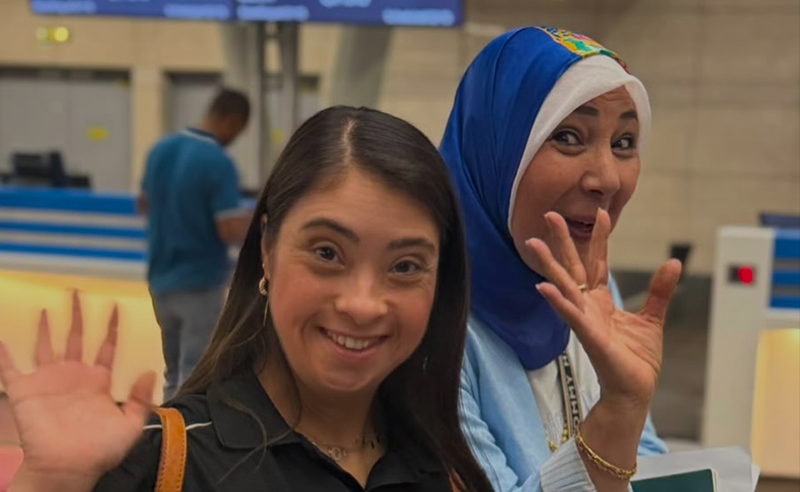
"Two mothers even travelled with the delegation to support not only their own children but the entire team," El-Saie says. "Interestingly, both mothers are named Amal, which means 'hope' in Arabic, and they truly embodied that throughout the journey."
Almost half of Helm's employees are people with disabilities, and its work has been recognised internationally by the Zero Project and Africa's Business Heroes. The organisation has always held that inclusion should not run on sympathy, which is why El-Saie asks people to talk about the players the same way.
"Our players are here not because anyone felt sorry for them, but because they earned their places," she says. "Inclusion and excellence are not opposites. They strengthen each other."
"We do not want people to leave saying, 'How inspiring,'" she adds. "We want them to say, 'What incredible athletes.'"
The bigger question for Helm is what survives the tournament. The plan is to turn three months of preparation into a year-round programme and build a lasting route into inclusive football in Egypt.
Egypt's 2017 census found that 10.67 per cent of people aged five and over had at least some difficulty in one of six areas of functioning, from seeing and hearing to walking, remembering, self-care and communication. Even at that scale, chances to play organised sport are limited, and routes into serious athletic development are narrower still.
One team in Houston cannot fix that. It can show what the alternative looks like: national recruitment, proper training, international competition, and a system that treats athletes with disabilities as athletes first.
"Every movement starts with one step," El-Saie says. "And this is ours."
- Previous Article Six Kings Slam Tournament Returns to Riyadh This October
- Next Article The Youth Academies Developing the Arab World’s Football Superstars