

The Youth Academies Developing the Arab World’s Football Superstars
These are the youth academies producing tomorrow’s stars in the MENA region, from grassroots talent to global football stages.

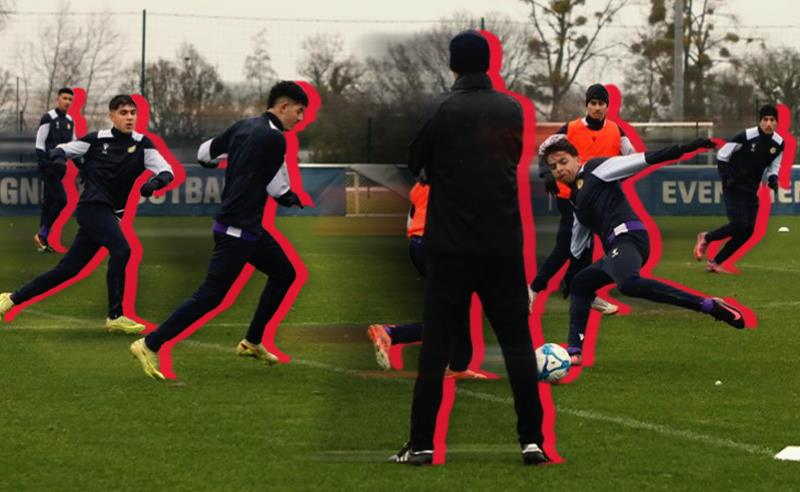
From La Masia’s famous graduates to Ajax’s tradition of developing stars, elite academies have long shaped the future of football. Across the MENA region, similar models have emerged, producing players who are making an impact at home, in Europe, and on the international stage.
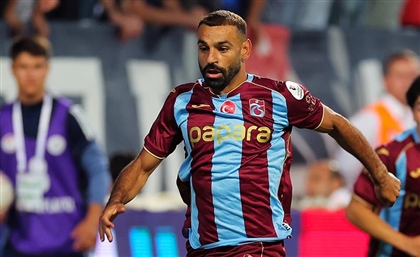
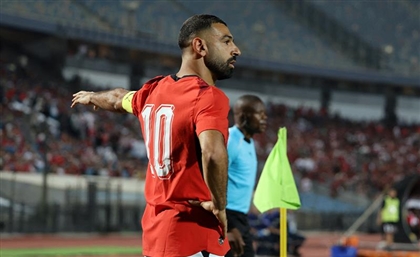
From Mohamed Salah and Mohamed Elneny emerging from Al Mokawloon Al Arab, to Azzedine Ounahi and other Moroccan stars shaped through the country’s development system, these academies have played a major role in building the region’s football identity.
The latest generation continues to emerge, with young talents like Hamza Abdelkarim showing the next wave of potential coming through.
Across Egypt, Morocco, Qatar, Saudi Arabia, and beyond, these academies are where the future stars of the region football begin their journey.
Mohammed VI Football Academy, Morocco
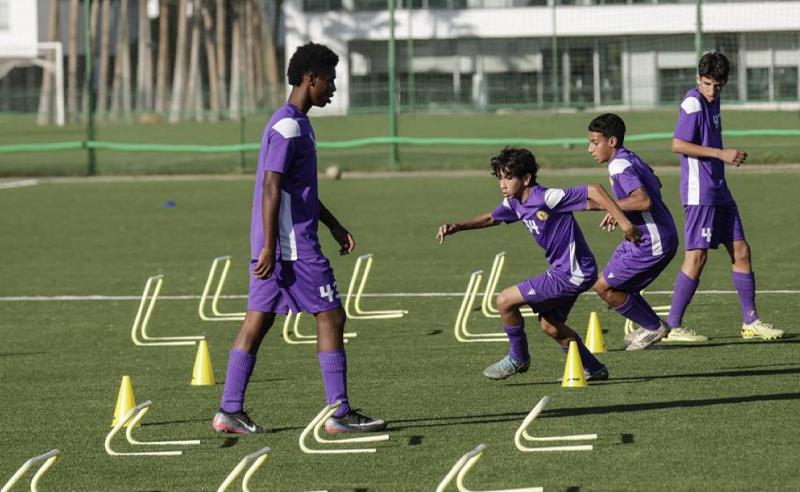
The Mohammed VI Football Academy represents Morocco’s most successful effort to establish a modern, centralised football development system. It stands as one of the clearest examples of Morocco’s significant investment in football infrastructure. Graduates such as Azzedine Ounahi, whose performances at the 2022 FIFA World Cup brought global recognition.
Al Ahly SC Academy, Egypt
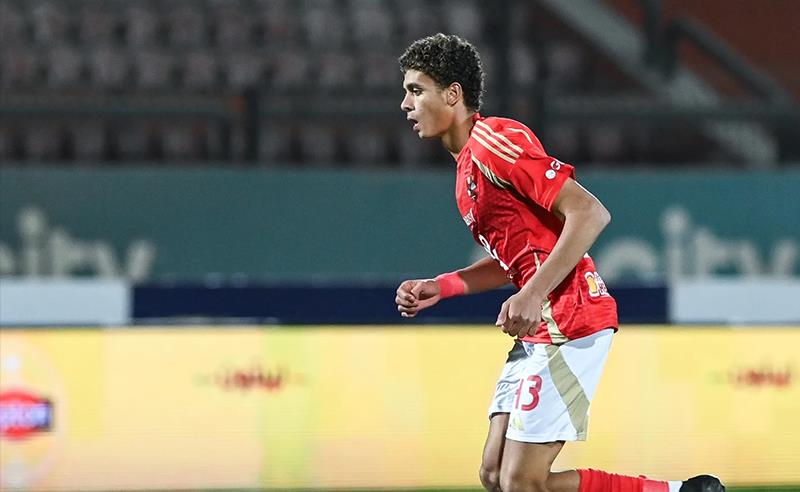
Recognised by the Confederation of African Football (CAF) as the “African Club of the Century,” Al Ahly’s influence extends beyond its trophy record through its renowned youth development system and ability to produce generations of Egyptian talent. From players such as Ramadan Sobhi and Mostafa Shobeir to the emergence of new prospects like Hamza Abdelkarim in his record signing to Barcelona Athletic and Belal Ateya to racing Santander in 2026, Al Ahly’s talent pipeline continues to span across generations.
Aspire Academy, Qatar
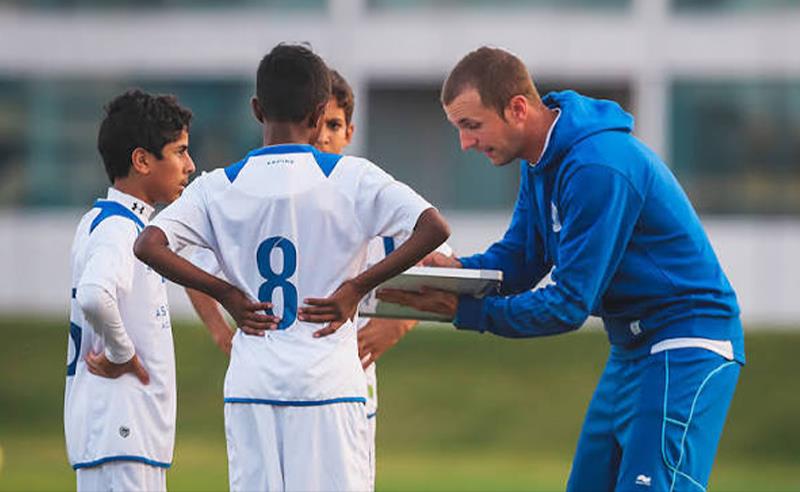
Aspire Academy is Qatar’s flagship football development project, established in 2004 as part of the country’s long-term investment in sports. Known for its elite facilities, sports science approach, and role in developing Qatar’s national team, the academy became a key factor behind the country’s 2019 AFC Asian Cup triumph and World Cup 2022 squad. Notable graduates include Akram Afif, Almoez Ali, who became central figures for both the national team and Qatar’s international ambitions.
Paradou AC Academy, Algeria
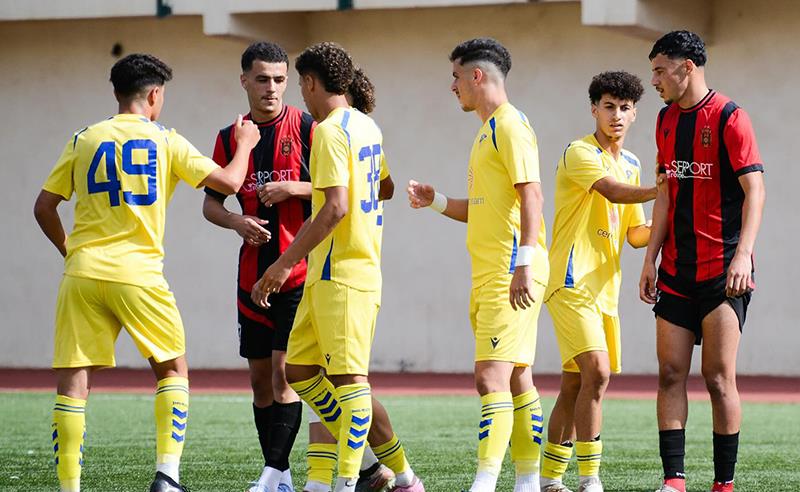
Paradou AC is one of Algeria’s most respected talent-development institutions and is widely regarded as a model academy in North African football. Founded in 1994, the club gained recognition through its partnership with the JMG Academy model, focusing heavily on technical development and youth scouting rather than immediate results. It is one of the country's biggest European exporters, with players such as Ramy Bensebaini and Youcef Atal coming through the academy.
Arab Contractors SC, Egypt
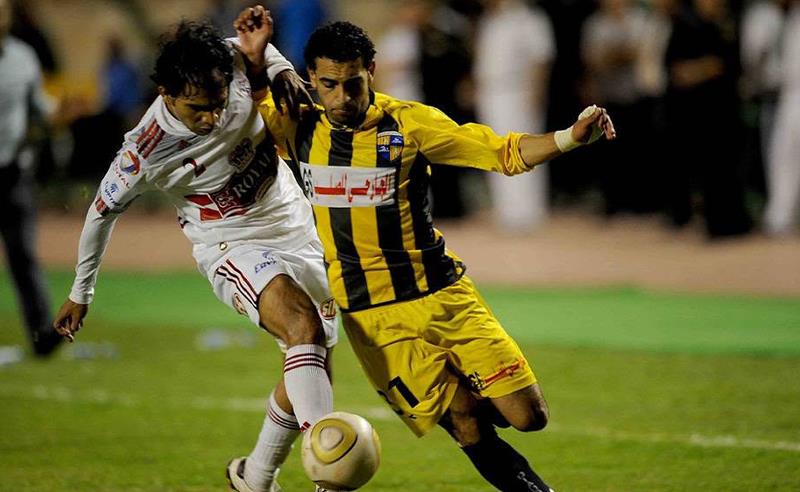
Arab Contractors SC (or Al Mokawloon Al Arab)'s youth development reputation often exceeds its achievements as a first-team side. While the club is not among Egypt’s traditional domestic giants, it has become known as a breeding ground for elite players, most famously producing Mohamed Salah and Mohamed Elneny, who both rose through the club’s system before moving to Europe.
ENPPI Academy, Egypt
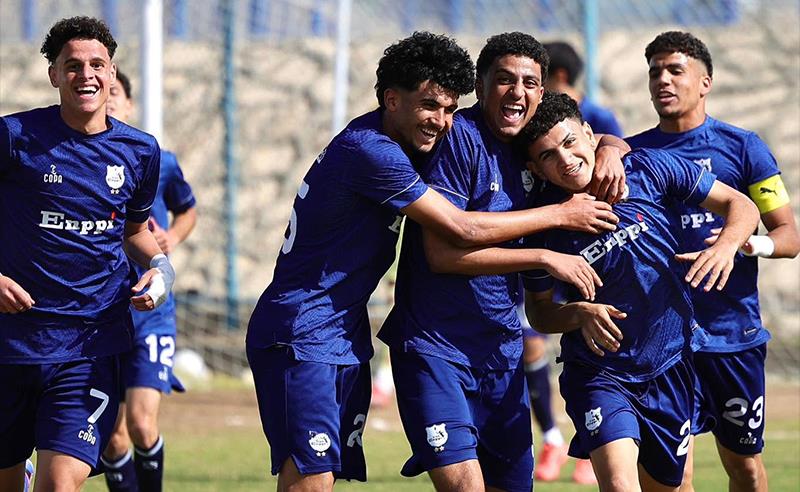
Similar to Al Mokawloon Al Arab, ENPPI SC is another Egyptian club whose reputation has been built more around player development than team achievements. Founded in 1985 by the Egyptian Petroleum sector, the club has become known for its strong youth system and ability to identify and develop talented Egyptian players. Notable graduates include Saleh Gomaa and Mohamed Magdy Afsha, who went on to have long careers in the game.
Espérance de Tunis Academy, Tunisia
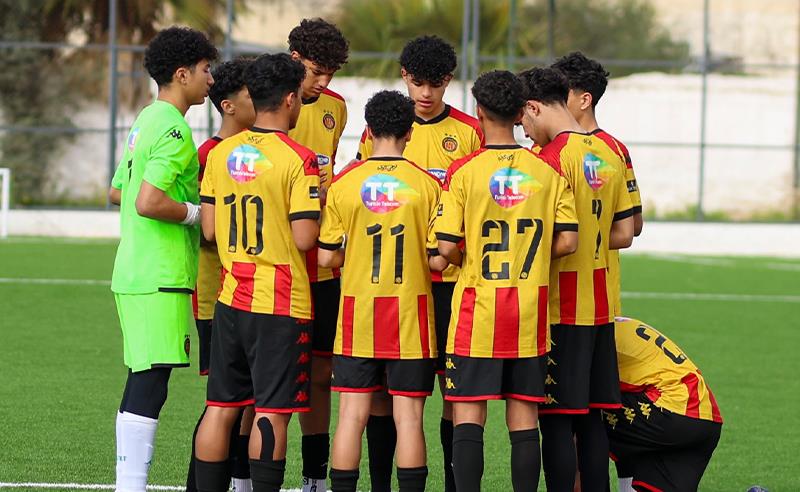
Espérance de Tunis is one of North Africa’s biggest football institutions and the most successful club in Tunisia. Beyond its trophies, the club has built a strong reputation for developing Tunisian talent through its academy. Notable academy products include Moez Ben Cherifia and Khalil Chammam, who became key figures for Tunisia and went on to have successful professional careers.
Al Hilal Academy, Saudi Arabia
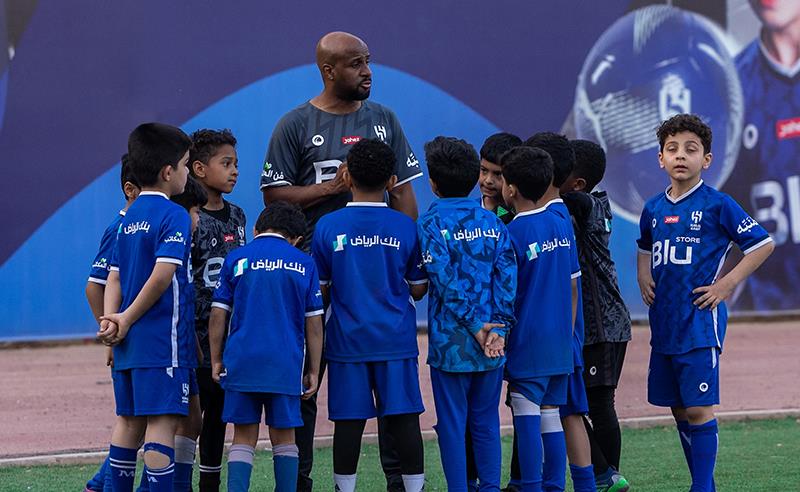
Al Hilal is the most decorated club in Saudi football and one of Asia’s most successful sides. Its youth system has also produced important Saudi internationals such as Salem Al-Dawsari, who joined Al Hilal’s youth academy as a teenager, and is now one of the country’s most iconic players and the captain of Al Hilal SFC.
Right to Dream Academy, Egypt
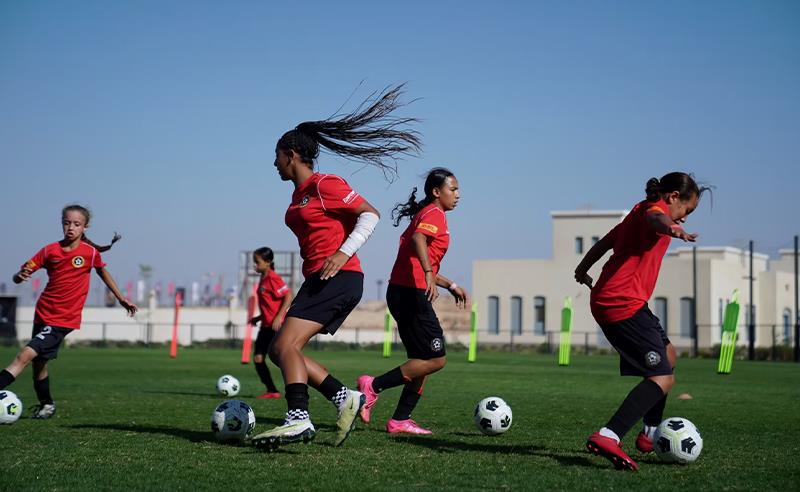
Right to Dream Egypt is one of the newest major academy projects in the MENA region, bringing an internationally proven development model to Egyptian football. operates as part of a global football network spanning Ghana, Denmark, Egypt, and the United States, with pathways into clubs such as FC Nordsjælland and other professional environments.
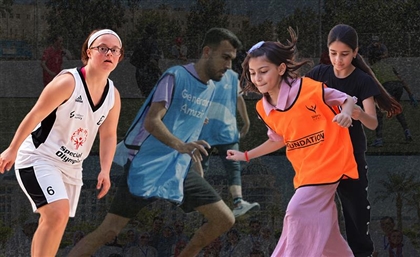
A major differentiator is its commitment to women’s football, an area still developing in Egypt. Right to Dream launched a professional women’s team, FC Masar, and has placed significant emphasis on creating opportunities for female players and coaches alongside its boys’ program.
Al Ain Academy, UAE
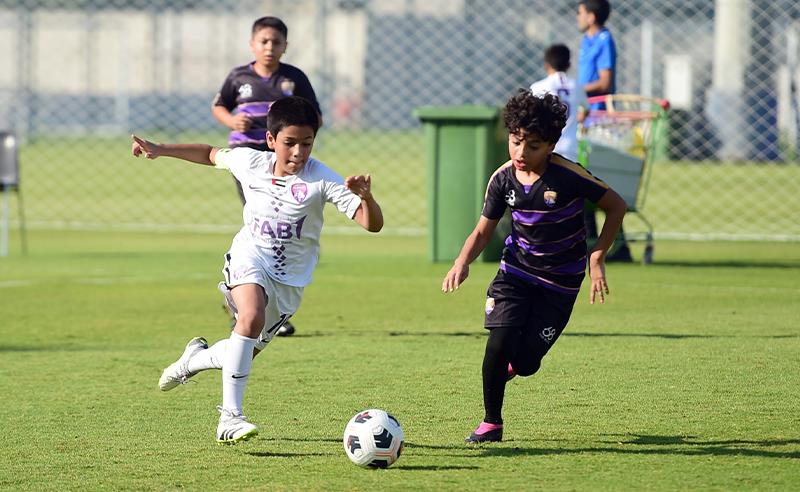
Al Ain is a rare example of a Gulf side with a strong connection to homegrown talent. Its academy has produced several important Emirati players, including Omar Abdulrahman, widely regarded as one of the most gifted players in UAE football history.
- Previous Article Helm Built Egypt's Genuine Cup Team From Scratch in Three Months
- Next Article Helm's Egyptian Football Team Wins Genuine Cup in Houston