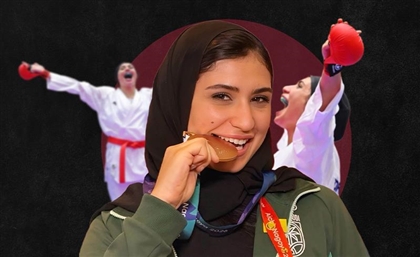


Arabs on the Olympic Podium: Stories That Medals Alone Cannot Tell
The Olympics have always been, continue to be, and perhaps will remain, the biggest event in global sports, one everyone awaits every four years.

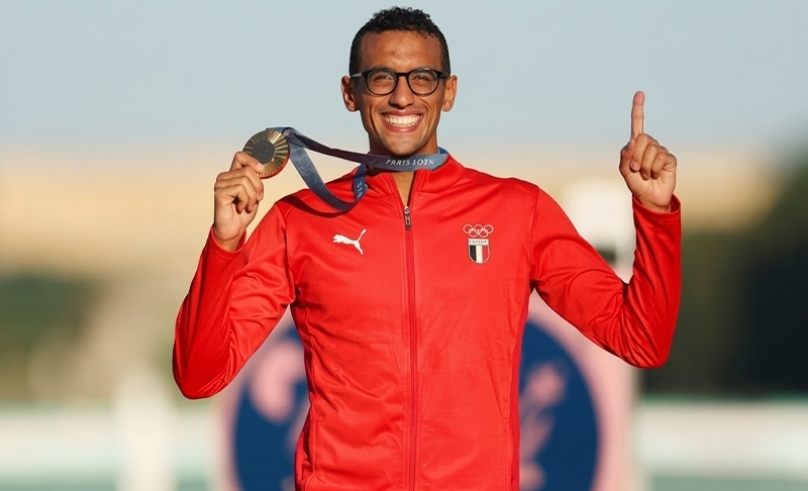
If you’re active on social media and follow the Arab sports scene, you’ve probably noticed a recurring pattern: whenever an Arab athlete wins a medal at a continental or world championship, the same questions pop up – no matter how big or small the achievement. Questions like: “Could this score win a medal at the Olympics?” or “Is a medal guaranteed now?” or “Why don’t we see this level at the Olympics?”
The reason is clear: the Olympics have always been, and likely will remain, the biggest event in global sports, one we eagerly anticipate every four years. But the Olympics are no longer just a sporting spectacle we watch for the competitions. They’ve taken on a new significance, becoming a measure of a country’s success, a testament to how well it manages resources and plans strategically. Medals are no longer just numbers, they’re proof of dominance, as we’ve seen with the ongoing rivalry between the US and China for the title of top medal winner at Paris in 2024.
It’s worth noting that Arab countries were absent from the first five editions of the Olympics, which began in 1896. The first Arab participation came at the 1912 Stockholm Games. Since then, up to Paris 2024, Arab athletes have won a total of 145 medals across 15 countries, five of which have yet to claim a gold.
With that in mind, we now review the history of Arab participation in the Olympics, not as a brief overview, nor an in-depth analysis, but as a way to grasp our position within the wider global sporting landscape. Here’s a breakdown of Arab countries by Olympic medal count.
1- Egypt… Championing Persistence in Sports
-a2c647b7-8980-404c-bc08-2919b76889ff.jpg) Egypt holds the strongest Olympic record among its Arab peers in Olympic history. It was the first Arab country to take part in the Olympics, the first to win medals, and the first to claim gold. Egypt cemented its Olympic legacy by becoming the most decorated Arab nation, with a total of 41 medals: 9 gold, 12 silver and 20 bronze.
Over the years, Egyptian athletes have been in the spotlight, particularly in weightlifting, a feat some attribute to the sport’s accessibility as it doesn’t require expensive specialised equipment.
Egypt’s Weightlifters and the Olympic Podiums
Egypt holds the strongest Olympic record among its Arab peers in Olympic history. It was the first Arab country to take part in the Olympics, the first to win medals, and the first to claim gold. Egypt cemented its Olympic legacy by becoming the most decorated Arab nation, with a total of 41 medals: 9 gold, 12 silver and 20 bronze.
Over the years, Egyptian athletes have been in the spotlight, particularly in weightlifting, a feat some attribute to the sport’s accessibility as it doesn’t require expensive specialised equipment.
Egypt’s Weightlifters and the Olympic Podiums
-f997b52e-14e5-4e75-9e14-2e774f11f2dc.jpg) Over the course of the Olympic Games, Egyptian weightlifters have won a total of 15 Olympic medals. These include: Sayed Nosseir, who took gold at the 1928 Amsterdam Games; Anwar Mesbah, who won gold at the 1936 Berlin Olympics; and Khadr El-Touny, who also won gold and was later ranked first in the International Weightlifting Federation’s list of the 50 greatest weightlifters.
Other medalists include Saleh Soliman, who won silver in the featherweight category at the 1936 Berlin Games; Ibrahim Wasif, who claimed bronze; and Ibrahim Shams, who took bronze in the same featherweight category and later gold at the 1948 London Olympics. Mahmoud Fayad also won gold in the featherweight division at London 1948, while Atiyah Hammouda earned silver at the same Games.
Abeer Abdelrahman: The Unlucky Champion
Over the course of the Olympic Games, Egyptian weightlifters have won a total of 15 Olympic medals. These include: Sayed Nosseir, who took gold at the 1928 Amsterdam Games; Anwar Mesbah, who won gold at the 1936 Berlin Olympics; and Khadr El-Touny, who also won gold and was later ranked first in the International Weightlifting Federation’s list of the 50 greatest weightlifters.
Other medalists include Saleh Soliman, who won silver in the featherweight category at the 1936 Berlin Games; Ibrahim Wasif, who claimed bronze; and Ibrahim Shams, who took bronze in the same featherweight category and later gold at the 1948 London Olympics. Mahmoud Fayad also won gold in the featherweight division at London 1948, while Atiyah Hammouda earned silver at the same Games.
Abeer Abdelrahman: The Unlucky Champion
-8fa951cc-e212-4db3-83c5-de9364098eea.jpg)
One of the most unforgettable stories in the world of weightlifting is that of Abeer Abdelrahman, the first Egyptian woman to win an Olympic medal and the first to earn two medals across two Olympic Games (a bronze and a silver). Yet, unfortunately, she never stood on the Olympic podium to receive them.
Abeer’s story begins at the 2008 Beijing Olympics, where she originally finished fifth in the 68 kg weightlifting category. After the first- and third-place finishers were found guilty of doping, she was elevated to third place and awarded the bronze medal—though not on the podium.
The same scenario repeated at the 2012 London Olympics, where she competed in the 75 kg category. She again finished fifth, only to be upgraded to silver after the top three competitors were disqualified for doping, yet she never received the medal during the Games.
-f9c3ed72-7f7d-4483-894d-4f5f6c0396a0.jpg) A similar situation occurred with weightlifter Tarek Yehia, who was retroactively awarded a bronze medal from the 2012 London Olympics after doping violations by the top finishers were confirmed, though the announcement came during the 2024 Paris Olympics.
Amid celebrations for Egypt’s weightlifting stars, including Sarah Samir and Mohamed Ihab winning bronze medals at the 2016 Rio Olympics, a major setback hit. In 2019, the International Weightlifting Federation banned the Egyptian Weightlifting Federation from all competitions for two years. The ban came after multiple doping violations were confirmed from 2016, when seven young Egyptian lifters tested positive at the Youth African Championships in Cairo. Egypt appealed to the Court of Arbitration for Sport, but the appeal was rejected, meaning its weightlifters were barred from participating in the Tokyo Olympics.
A similar situation occurred with weightlifter Tarek Yehia, who was retroactively awarded a bronze medal from the 2012 London Olympics after doping violations by the top finishers were confirmed, though the announcement came during the 2024 Paris Olympics.
Amid celebrations for Egypt’s weightlifting stars, including Sarah Samir and Mohamed Ihab winning bronze medals at the 2016 Rio Olympics, a major setback hit. In 2019, the International Weightlifting Federation banned the Egyptian Weightlifting Federation from all competitions for two years. The ban came after multiple doping violations were confirmed from 2016, when seven young Egyptian lifters tested positive at the Youth African Championships in Cairo. Egypt appealed to the Court of Arbitration for Sport, but the appeal was rejected, meaning its weightlifters were barred from participating in the Tokyo Olympics.
-81cd001d-2321-4b2e-aa00-167297c2a455.jpg) When the Egyptian team returned from Tokyo, they brought home six Olympic medals, but none in weightlifting. The medals went to Feryal Ashraf (gold, karate), Ahmed Elgendy (silver, modern pentathlon), and bronzes for Gianna Farouk (karate), Mohamed Ibrahim Kishu (Greco-Roman wrestling), and Hedaya Malak and Seif Eissa (taekwondo).
When the Egyptian team returned from Tokyo, they brought home six Olympic medals, but none in weightlifting. The medals went to Feryal Ashraf (gold, karate), Ahmed Elgendy (silver, modern pentathlon), and bronzes for Gianna Farouk (karate), Mohamed Ibrahim Kishu (Greco-Roman wrestling), and Hedaya Malak and Seif Eissa (taekwondo).
-9dd21afd-561c-40a7-ad48-1f35c132c495.jpg) Egypt regained its weightlifting glory at the 2024 Paris Olympics, when Sarah Samir won the bronze medal, the most recent Egyptian weightlifting medal to date.
A Strong Start or Just Luck?
It’s commonly observed that every country tends to dominate in a particular sport, while its efforts in other disciplines vary between success and failure. This often reflects a country’s resources, environment and the physical traits of its athletes. As mentioned earlier, Egypt has clearly found its niche in weightlifting. But Egyptian athletes have also achieved Olympic success in other sports over the years.
Egypt regained its weightlifting glory at the 2024 Paris Olympics, when Sarah Samir won the bronze medal, the most recent Egyptian weightlifting medal to date.
A Strong Start or Just Luck?
It’s commonly observed that every country tends to dominate in a particular sport, while its efforts in other disciplines vary between success and failure. This often reflects a country’s resources, environment and the physical traits of its athletes. As mentioned earlier, Egypt has clearly found its niche in weightlifting. But Egyptian athletes have also achieved Olympic success in other sports over the years.
-6ce79c7a-11e4-4ad7-8b3f-a4552d5ecc44.jpg) In wrestling, Ibrahim Mostafa won gold at the 1928 Amsterdam Games, earning Egypt’s second medal and second gold, followed by other notable wrestlers such as Mahmoud Hassan Ali, who won silver in Greco-Roman bantamweight at the 1948 London Olympics; Ibrahim Orabi, bronze in light-heavyweight Greco-Roman wrestling at the same Games; Abdel Aal Rashad, who secured Egypt’s only medal at the 1952 Helsinki Olympics with bronze in featherweight (57–61 kg); and Osman Sid, who won silver in Greco-Roman featherweight at the 1960 Rome Olympics. Perhaps the most famous Egyptian wrestler is Karam Gaber, who won gold in the 96 kg Greco-Roman category at Athens 2004 and silver at London 2012.
In wrestling, Ibrahim Mostafa won gold at the 1928 Amsterdam Games, earning Egypt’s second medal and second gold, followed by other notable wrestlers such as Mahmoud Hassan Ali, who won silver in Greco-Roman bantamweight at the 1948 London Olympics; Ibrahim Orabi, bronze in light-heavyweight Greco-Roman wrestling at the same Games; Abdel Aal Rashad, who secured Egypt’s only medal at the 1952 Helsinki Olympics with bronze in featherweight (57–61 kg); and Osman Sid, who won silver in Greco-Roman featherweight at the 1960 Rome Olympics. Perhaps the most famous Egyptian wrestler is Karam Gaber, who won gold in the 96 kg Greco-Roman category at Athens 2004 and silver at London 2012.
-ec363d44-ce47-4314-bcc9-38fc1d872c6a.jpg) In boxing, Abdel Moneim El-Gendy won bronze in the flyweight category at Rome 1960; Mohamed Ali Reda claimed silver in heavyweight (+91 kg) at Athens 2004; Ahmed Ismail earned bronze in light-heavyweight (81 kg) at Athens 2004; and Mohamed El-Sayed took bronze in heavyweight (+91 kg) at the same Games.
In boxing, Abdel Moneim El-Gendy won bronze in the flyweight category at Rome 1960; Mohamed Ali Reda claimed silver in heavyweight (+91 kg) at Athens 2004; Ahmed Ismail earned bronze in light-heavyweight (81 kg) at Athens 2004; and Mohamed El-Sayed took bronze in heavyweight (+91 kg) at the same Games.
-5e6edcfe-f4cf-46e1-a16b-56207c196081.jpg) In judo, Mohamed Ali Rashwan earned silver in the men’s open weight at the 1984 Los Angeles Olympics. His reputation for fair play even reached Japan, though that’s another story. Egypt returned to judo success 24 years later with Hisham Mesbah’s bronze at Beijing 2008.
In judo, Mohamed Ali Rashwan earned silver in the men’s open weight at the 1984 Los Angeles Olympics. His reputation for fair play even reached Japan, though that’s another story. Egypt returned to judo success 24 years later with Hisham Mesbah’s bronze at Beijing 2008.
-8753e3eb-bed8-4c0d-99d7-f73aedb14dba.jpg) Egypt has also left its mark in diving, with Farid Smeika winning silver on the platform and bronze on the springboard at Amsterdam 1928; in taekwondo, Tamer Bayoumi earned bronze in the 58 kg category at Athens 2004, Hedaya Malak won two bronzes, and Seif Eissa took bronze at Tokyo 2020; and in fencing, Alaaeldin Abouelkassem won silver in foil at London 2012, followed by Mohamed El-Sayed’s bronze in Paris 2024.
Finally, Egypt’s modern pentathlon record includes gold and silver medals by Ahmed Elgendy, who some believe may have paved the way for a long history in the sport for Egypt.
2- Morocco… A Powerhouse in Athletics
Following Egypt in the Arab Olympic medal tally is Morocco, with 26 medals. The country’s first came from runner Abdel Salam Radi, who won silver in the marathon at the 1960 Rome Olympics.
Egypt has also left its mark in diving, with Farid Smeika winning silver on the platform and bronze on the springboard at Amsterdam 1928; in taekwondo, Tamer Bayoumi earned bronze in the 58 kg category at Athens 2004, Hedaya Malak won two bronzes, and Seif Eissa took bronze at Tokyo 2020; and in fencing, Alaaeldin Abouelkassem won silver in foil at London 2012, followed by Mohamed El-Sayed’s bronze in Paris 2024.
Finally, Egypt’s modern pentathlon record includes gold and silver medals by Ahmed Elgendy, who some believe may have paved the way for a long history in the sport for Egypt.
2- Morocco… A Powerhouse in Athletics
Following Egypt in the Arab Olympic medal tally is Morocco, with 26 medals. The country’s first came from runner Abdel Salam Radi, who won silver in the marathon at the 1960 Rome Olympics.
-a18e79fc-ef13-4a8c-bb0a-9ab22204e1a5.jpg) After a four-Games gap, Moroccan athletes returned to the podium at the 1984 Los Angeles Olympics. Saïd Aouita won gold in long distance running for the 5,000 metres race, while Nawal El Moutawakel claimed gold in the 400-metre hurdles, marking the rise of two exceptional athletes.
Morocco’s chain of success in athletics, especially middle and long distance running, continued as Ibrahim Boutayeb won gold in the 10,000 metres running event at the 1988 Seoul Games, while Saïd Aouita earned bronze in the 800 metres event at the same Olympics. At the 1992 Barcelona Games, Khalid Skah won gold in the 10,000 metres event, and Rachid El Basir claimed silver in the 1,500 metres event. Khalid Boulami earned bronze in the 5,000 metres at Atlanta 1996, along with bronze for Salah Hissou in the same event.
After a four-Games gap, Moroccan athletes returned to the podium at the 1984 Los Angeles Olympics. Saïd Aouita won gold in long distance running for the 5,000 metres race, while Nawal El Moutawakel claimed gold in the 400-metre hurdles, marking the rise of two exceptional athletes.
Morocco’s chain of success in athletics, especially middle and long distance running, continued as Ibrahim Boutayeb won gold in the 10,000 metres running event at the 1988 Seoul Games, while Saïd Aouita earned bronze in the 800 metres event at the same Olympics. At the 1992 Barcelona Games, Khalid Skah won gold in the 10,000 metres event, and Rachid El Basir claimed silver in the 1,500 metres event. Khalid Boulami earned bronze in the 5,000 metres at Atlanta 1996, along with bronze for Salah Hissou in the same event.
-a67dd15b-206d-4004-b49d-24a142c74490.jpg) At the 2000 Sydney Olympics, Morocco won silver in the 1,500 metres running event through Hicham El Guerrouj, bronze in the 5,000 metres via Ibrahim Lahlafi, also for running. The country also won a bronze in the 3,000-metre steeplechase through Ali Ezzine, and bronze in the 400-metre hurdles by Nezha Bidouane. Hicham El Guerrouj then dominated Athens 2004, winning gold in both the 1,500 and 5,000 metres for running, adding a third Olympic medal to his unprecedented Moroccan record. Runner Hassna Benhassi also took silver in the 800 metres at the same Games.
In Beijing 2008, Jaouad Gharib won silver in the marathon event, while Hassna Benhassi earned bronze in the 800 metres middle-distance running event. At London 2012, Morocco took a single bronze through middle-distance runner Abdelati Iguider in the 1,500 metres. In Tokyo 2020, Soufiane El Bakkali won Morocco’s only medal, gold in the 3,000-metre steeplechase, and repeated the feat at Paris 2024, claiming gold again in the same event.
At the 2000 Sydney Olympics, Morocco won silver in the 1,500 metres running event through Hicham El Guerrouj, bronze in the 5,000 metres via Ibrahim Lahlafi, also for running. The country also won a bronze in the 3,000-metre steeplechase through Ali Ezzine, and bronze in the 400-metre hurdles by Nezha Bidouane. Hicham El Guerrouj then dominated Athens 2004, winning gold in both the 1,500 and 5,000 metres for running, adding a third Olympic medal to his unprecedented Moroccan record. Runner Hassna Benhassi also took silver in the 800 metres at the same Games.
In Beijing 2008, Jaouad Gharib won silver in the marathon event, while Hassna Benhassi earned bronze in the 800 metres middle-distance running event. At London 2012, Morocco took a single bronze through middle-distance runner Abdelati Iguider in the 1,500 metres. In Tokyo 2020, Soufiane El Bakkali won Morocco’s only medal, gold in the 3,000-metre steeplechase, and repeated the feat at Paris 2024, claiming gold again in the same event.
-5a1e2ce7-ec10-4558-8f72-408d845d7ebe.jpg) Outside athletics, Morocco also made its mark in boxing. Abdelhak Achik won the country’s first non-athletics Olympic medal, a bronze at Seoul 1988. This success was followed by Hussein Saltani’s bronze in featherweight boxing at Barcelona 1992, and Mohamed Achik’s bronze in bantamweight at the same Games. Tahar Tamsamani earned bronze in the 57 kg category in Sydney 2000, and in Rio 2016, Mohamed Rabii won bronze in the 69 kg men’s boxing, Morocco’s only medal that year.
As evident, Moroccan athletes have traditionally shone in one of two sports at the Olympics: athletics or boxing. However, at Paris 2024, Morocco broke this pattern, winning the only Arab medal in football by defeating Egypt 6–0 to claim bronze.
3 - Algeria… Gold and Gradual Rise
Although Algeria and Tunisia are tied in total Olympic medals (13 each), Algeria takes the lead due to its higher number of gold medals, securing a prestigious position among Arab nations.
Outside athletics, Morocco also made its mark in boxing. Abdelhak Achik won the country’s first non-athletics Olympic medal, a bronze at Seoul 1988. This success was followed by Hussein Saltani’s bronze in featherweight boxing at Barcelona 1992, and Mohamed Achik’s bronze in bantamweight at the same Games. Tahar Tamsamani earned bronze in the 57 kg category in Sydney 2000, and in Rio 2016, Mohamed Rabii won bronze in the 69 kg men’s boxing, Morocco’s only medal that year.
As evident, Moroccan athletes have traditionally shone in one of two sports at the Olympics: athletics or boxing. However, at Paris 2024, Morocco broke this pattern, winning the only Arab medal in football by defeating Egypt 6–0 to claim bronze.
3 - Algeria… Gold and Gradual Rise
Although Algeria and Tunisia are tied in total Olympic medals (13 each), Algeria takes the lead due to its higher number of gold medals, securing a prestigious position among Arab nations.
-199e0e68-2382-4957-9576-51f3410eb011.jpg) Algeria’s Olympic journey began at the 1984 Los Angeles Games, with bronze medals in boxing for Mostafa Moussa and Mohamed Zawi, marking the start of a long series of individual successes. Runner Haciba Boualmerka then added gold in the 1,500 metres, bringing a new medal to Algeria’s tally.
At the 1996 Atlanta Olympics, Nourredine Morceli won gold in the 1,500 metres, while Hussein Salhani earned gold in lightweight boxing, and Mohamed Bahari also claimed bronze in boxing. During the 2000 Sydney Games, Algeria shone again with gold for Nouria Benida in the 1,500 metres running event, silver for Ali Saïd in the 5,000 metres, and bronzes for Abderrahmane Hammad in high jump, Said Djaafer Qarni in running, and Mohamed Allalou in boxing.
Algeria’s Olympic journey began at the 1984 Los Angeles Games, with bronze medals in boxing for Mostafa Moussa and Mohamed Zawi, marking the start of a long series of individual successes. Runner Haciba Boualmerka then added gold in the 1,500 metres, bringing a new medal to Algeria’s tally.
At the 1996 Atlanta Olympics, Nourredine Morceli won gold in the 1,500 metres, while Hussein Salhani earned gold in lightweight boxing, and Mohamed Bahari also claimed bronze in boxing. During the 2000 Sydney Games, Algeria shone again with gold for Nouria Benida in the 1,500 metres running event, silver for Ali Saïd in the 5,000 metres, and bronzes for Abderrahmane Hammad in high jump, Said Djaafer Qarni in running, and Mohamed Allalou in boxing.
-24c46693-44b8-4483-8eeb-b3c18fe62083.jpg) Algeria did not achieve any medals at Athens 2004 but returned to the podium in Beijing 2008, with Ammar Benikhlef earning silver in judo and Thouria Haddad taking bronze in the same sport. At London 2012, Taoufik Makhloufi won gold in athletics in the 1,500 metres, Algeria’s only medal at those Games.
Over the last three Olympic Games, Algeria added just four more medals: Runner Taoufik Makhloufi with silver in the men’s 800 metres and silver in the 1,500 metres, Kaillia Nemour with gold in artistic gymnastics – the only Arab medal in gymnastics – achieved after overcoming struggles in France, a story we will cover later on. Algeria’s most recent Olympic medal came from Imane Khelif, who won gold in boxing.
4 - Tunisia… Where Excellence Stands Out
Although Tunisia’s Olympic medal count is relatively modest, what distinguishes Tunisian athletes is the consistency of their performance. This is evident in the careers of Mohammed Gammoudi, Oussama Mellouli, and Mohamed Khalil Jendoubi.
Algeria did not achieve any medals at Athens 2004 but returned to the podium in Beijing 2008, with Ammar Benikhlef earning silver in judo and Thouria Haddad taking bronze in the same sport. At London 2012, Taoufik Makhloufi won gold in athletics in the 1,500 metres, Algeria’s only medal at those Games.
Over the last three Olympic Games, Algeria added just four more medals: Runner Taoufik Makhloufi with silver in the men’s 800 metres and silver in the 1,500 metres, Kaillia Nemour with gold in artistic gymnastics – the only Arab medal in gymnastics – achieved after overcoming struggles in France, a story we will cover later on. Algeria’s most recent Olympic medal came from Imane Khelif, who won gold in boxing.
4 - Tunisia… Where Excellence Stands Out
Although Tunisia’s Olympic medal count is relatively modest, what distinguishes Tunisian athletes is the consistency of their performance. This is evident in the careers of Mohammed Gammoudi, Oussama Mellouli, and Mohamed Khalil Jendoubi.
-23fc81ce-10b0-4926-ba71-f36d87076128.jpg) Tunisia’s first Olympic medal came from runner Mohammed Gammoudi at the 1964 Tokyo Games, where he won silver in the 10,000 meters. The young athlete and long-distance runner could not have known then that a promising career awaited him. He went on to win gold and bronze at the 1968 Mexico City Games in the 5,000 metres and 10,000 metres, respectively. At the 1972 Munich Olympics, Gammoudi added another silver in the 5,000 metres, concluding his career as one of the most decorated Arab Olympians, tied with Qatari track and field athlete Mutaz Essa Barshim.
In boxing, Tunisia also celebrated medals, including bronze for Habib Galhia in light-middleweight at Tokyo 1964, and bronze for Fethi Missaoui at Atlanta 1996.
Tunisia and Repeated Achievements
After a 12-year gap, Tunisia returned to the podium at the 2008 Beijing Games, with Oussama Mellouli winning gold in the 1,500-meter freestyle swimming. Mellouli went on to achieve a remarkable legacy similar to Gammoudi, claiming gold in the 10 km open water race in London in 2012 and bronze in the 1,500-metre freestyle at the same Games.
Tunisia’s first Olympic medal came from runner Mohammed Gammoudi at the 1964 Tokyo Games, where he won silver in the 10,000 meters. The young athlete and long-distance runner could not have known then that a promising career awaited him. He went on to win gold and bronze at the 1968 Mexico City Games in the 5,000 metres and 10,000 metres, respectively. At the 1972 Munich Olympics, Gammoudi added another silver in the 5,000 metres, concluding his career as one of the most decorated Arab Olympians, tied with Qatari track and field athlete Mutaz Essa Barshim.
In boxing, Tunisia also celebrated medals, including bronze for Habib Galhia in light-middleweight at Tokyo 1964, and bronze for Fethi Missaoui at Atlanta 1996.
Tunisia and Repeated Achievements
After a 12-year gap, Tunisia returned to the podium at the 2008 Beijing Games, with Oussama Mellouli winning gold in the 1,500-meter freestyle swimming. Mellouli went on to achieve a remarkable legacy similar to Gammoudi, claiming gold in the 10 km open water race in London in 2012 and bronze in the 1,500-metre freestyle at the same Games.
-b5c22230-0753-470b-820e-c346d4efa62a.jpg) Also at London 2012, Habiba Ghribi won gold in the 3,000-metre steeplechase, becoming the first Tunisian woman to earn an Olympic medal. In Rio 2016, Ines Boubakri followed with bronze in women’s foil fencing, while Marwa Amri also confirmed the rise of Tunisian women by winning bronze in the 58 kg wrestling category. At the same Games, Osama Oueslati won bronze in men’s 80 kg taekwondo.
Also at London 2012, Habiba Ghribi won gold in the 3,000-metre steeplechase, becoming the first Tunisian woman to earn an Olympic medal. In Rio 2016, Ines Boubakri followed with bronze in women’s foil fencing, while Marwa Amri also confirmed the rise of Tunisian women by winning bronze in the 58 kg wrestling category. At the same Games, Osama Oueslati won bronze in men’s 80 kg taekwondo.
-d8fc369c-7879-4b4e-9582-e2920520044c.jpg) At Tokyo 2020, swimmer Ahmed Hafnaoui won gold in the men’s 400-metre freestyle, and Mohamed Khalil Jendoubi earned silver in men’s 58 kg taekwondo. At Paris 2024, Tunisia claimed three medals: gold for Firas Katoussi in taekwondo, silver for Fares Ferjani in men’s foil fencing, and bronze for Mohamed Khalil Jendoubi in taekwondo.
Despite not having a large medal count, Tunisia shows that success isn’t just about numbers. Their champions stand out, setting a standard that may prove difficult to surpass.
5- Qatar… Barshim and an Exceptional Achievement
Qatar’s first Olympic medal was bronze, won by runner Mohamed Suleiman in the 1,500 metres at the 1992 Barcelona Games. The country then experienced a gap in podium finishes until the 2000 Sydney Olympics, when weightlifter Asaad Said Saif won bronze.
At Tokyo 2020, swimmer Ahmed Hafnaoui won gold in the men’s 400-metre freestyle, and Mohamed Khalil Jendoubi earned silver in men’s 58 kg taekwondo. At Paris 2024, Tunisia claimed three medals: gold for Firas Katoussi in taekwondo, silver for Fares Ferjani in men’s foil fencing, and bronze for Mohamed Khalil Jendoubi in taekwondo.
Despite not having a large medal count, Tunisia shows that success isn’t just about numbers. Their champions stand out, setting a standard that may prove difficult to surpass.
5- Qatar… Barshim and an Exceptional Achievement
Qatar’s first Olympic medal was bronze, won by runner Mohamed Suleiman in the 1,500 metres at the 1992 Barcelona Games. The country then experienced a gap in podium finishes until the 2000 Sydney Olympics, when weightlifter Asaad Said Saif won bronze.-9292c0dc-6db5-4f73-afc4-350f4cb2db67.jpg) Bronze followed for Nasser Al-Attiya in skeet shooting at London 2012, gold for Fares El-Hassouna in weightlifting at Tokyo, and bronze medals for Sherif Younes and Ahmed Tijani in beach volleyball at Tokyo.
On the other hand, Mutaz Essa Barshim has written a unique chapter in Qatar’s Olympic history, winning four medals in high jump athletics, starting at London 2012 and continuing to the present. Barshim’s achievements include one gold, two silvers and one bronze.
6- Bahrain… One Man and Five Women
Bronze followed for Nasser Al-Attiya in skeet shooting at London 2012, gold for Fares El-Hassouna in weightlifting at Tokyo, and bronze medals for Sherif Younes and Ahmed Tijani in beach volleyball at Tokyo.
On the other hand, Mutaz Essa Barshim has written a unique chapter in Qatar’s Olympic history, winning four medals in high jump athletics, starting at London 2012 and continuing to the present. Barshim’s achievements include one gold, two silvers and one bronze.
6- Bahrain… One Man and Five Women
-2b54fda2-e1e8-4f51-9887-9a7728e9c0e0.jpg) Bahrain’s first Olympic medal came at Beijing 2008, when Rashid Ramzi won gold in the 1,500 metres, making him the only man in Bahrain’s history to earn an Olympic medal. Bahraini women, however, have claimed five medals: starting with Maryam Jamal’s silver in the 1,500 metres at London 2012, followed by Ruth Jebet’s gold in the women’s 3,000-meter steeplechase at Rio 2016, and Eunice Kirwa’s silver in the women’s marathon. Kalkidan Gezahegne added silver in the 10,000 metres at Tokyo, and Salwa Eid Naser rounded off Bahrain’s medal tally with silver in the 400 metres at Paris 2024.
7- Syria… Sporadic Appearances
Bahrain’s first Olympic medal came at Beijing 2008, when Rashid Ramzi won gold in the 1,500 metres, making him the only man in Bahrain’s history to earn an Olympic medal. Bahraini women, however, have claimed five medals: starting with Maryam Jamal’s silver in the 1,500 metres at London 2012, followed by Ruth Jebet’s gold in the women’s 3,000-meter steeplechase at Rio 2016, and Eunice Kirwa’s silver in the women’s marathon. Kalkidan Gezahegne added silver in the 10,000 metres at Tokyo, and Salwa Eid Naser rounded off Bahrain’s medal tally with silver in the 400 metres at Paris 2024.
7- Syria… Sporadic Appearances
-f7a3f104-e3b2-48a1-bd84-91e11877b005.jpg) What’s evident through Syria’s Olympic medal history, is a lack of planning. At Los Angeles 1984, Joseph Atiyeh won silver in Greco-Roman wrestling, after which Syria disappeared from the podium until Atlanta 1996, when Ghada Shouaa won gold in the heptathlon. Another gap followed until Athens 2004, when Nasser Al-Shami earned bronze in boxing. Syria’s most recent Olympic medal came from Man Asaad, who won bronze in weightlifting at Tokyo 2020.
8- Jordan… A History in Taekwondo Only
What’s evident through Syria’s Olympic medal history, is a lack of planning. At Los Angeles 1984, Joseph Atiyeh won silver in Greco-Roman wrestling, after which Syria disappeared from the podium until Atlanta 1996, when Ghada Shouaa won gold in the heptathlon. Another gap followed until Athens 2004, when Nasser Al-Shami earned bronze in boxing. Syria’s most recent Olympic medal came from Man Asaad, who won bronze in weightlifting at Tokyo 2020.
8- Jordan… A History in Taekwondo Only
-45019222-b0cd-4a06-87c9-23103907e140.jpg) Jordan has won four Olympic medals, three in taekwondo and one in karate. Ahmed Abu Ghosh earned gold in taekwondo at Rio 2016, Saleh Al-Sharabati won silver in taekwondo at Tokyo 2020, and Zaid Abdulkarim took silver in taekwondo at Paris 2024. The country’s only karate medal was bronze, won by Abdulrahman Al-Msatafa at Tokyo 2020.
9- Kuwait… A Gold Without a National Anthem
Jordan has won four Olympic medals, three in taekwondo and one in karate. Ahmed Abu Ghosh earned gold in taekwondo at Rio 2016, Saleh Al-Sharabati won silver in taekwondo at Tokyo 2020, and Zaid Abdulkarim took silver in taekwondo at Paris 2024. The country’s only karate medal was bronze, won by Abdulrahman Al-Msatafa at Tokyo 2020.
9- Kuwait… A Gold Without a National Anthem
-d5ae67e7-5bab-426f-b930-e5f2168dba6d.jpg) Like most Arab countries, Kuwait has won four Olympic medals. These include bronze for Fehaid Al-Deehani in shooting at Sydney 2000, which he repeated 12 years later at London 2012, and bronze for Abdullah Al-Rashidi in shooting at Tokyo 2020. Al-Deehani also claimed Kuwait’s first and only Olympic gold at Rio 2016 in double trap shooting. However, due to an international suspension, Kuwait’s flag was not raised, and Al-Deehani competed under the Olympic flag.
10- United Arab Emirates… Fleeting Moments
Like most Arab countries, Kuwait has won four Olympic medals. These include bronze for Fehaid Al-Deehani in shooting at Sydney 2000, which he repeated 12 years later at London 2012, and bronze for Abdullah Al-Rashidi in shooting at Tokyo 2020. Al-Deehani also claimed Kuwait’s first and only Olympic gold at Rio 2016 in double trap shooting. However, due to an international suspension, Kuwait’s flag was not raised, and Al-Deehani competed under the Olympic flag.
10- United Arab Emirates… Fleeting Moments
-431e91a6-6ed7-442b-9c16-0c7ec68296b9.jpg) The UAE has won only two Olympic medals in its history. The first came at Athens 2004, when Sheikh Ahmed bin Hasher Al Maktoum took gold in double trap shooting, and the second at Rio 2016, when Sergio Toma earned bronze in taekwondo.
11- Lebanon… A Promising Start That Didn’t Last
The UAE has won only two Olympic medals in its history. The first came at Athens 2004, when Sheikh Ahmed bin Hasher Al Maktoum took gold in double trap shooting, and the second at Rio 2016, when Sergio Toma earned bronze in taekwondo.
11- Lebanon… A Promising Start That Didn’t Last
-e6c2e873-4425-480e-bd5d-91042d5f654d.jpg) Lebanon is considered the second Arab country, after Egypt, to have won an Olympic medal. Yet the country’s total remains at just four medals: silver for Zakaria Chihab in Greco-Roman wrestling, bantamweight, at Helsinki 1952; bronze for Khalil Taha in Greco-Roman wrestling, middleweight, at the same Games; silver for Mohamed Tarabulsi in weightlifting, middleweight, at Munich 1972; and bronze for Hassan Bchara in Greco-Roman wrestling, super heavyweight, at Moscow 1980.
12- Saudi Arabia… Late Beginnings
Lebanon is considered the second Arab country, after Egypt, to have won an Olympic medal. Yet the country’s total remains at just four medals: silver for Zakaria Chihab in Greco-Roman wrestling, bantamweight, at Helsinki 1952; bronze for Khalil Taha in Greco-Roman wrestling, middleweight, at the same Games; silver for Mohamed Tarabulsi in weightlifting, middleweight, at Munich 1972; and bronze for Hassan Bchara in Greco-Roman wrestling, super heavyweight, at Moscow 1980.
12- Saudi Arabia… Late Beginnings
-5111a684-178c-4c2f-abad-bdb21fbedb01.jpg) Saudi Arabia’s Olympic medal history came relatively late. Although the country participated starting in Munich 1972, its first medal arrived at Sydney 2000. To date, Saudi Arabia has four Olympic medals: silver for Hadi Souan in the 400-metre hurdles at Sydney 2000, bronze for Khaled Al-Eid in equestrian show jumping at the same Games, bronze for the Saudi equestrian team in show jumping at London 2012, and silver for Tarek Hamdi in karate at Tokyo 2020.
13- Sudan… A Single Achievement
Saudi Arabia’s Olympic medal history came relatively late. Although the country participated starting in Munich 1972, its first medal arrived at Sydney 2000. To date, Saudi Arabia has four Olympic medals: silver for Hadi Souan in the 400-metre hurdles at Sydney 2000, bronze for Khaled Al-Eid in equestrian show jumping at the same Games, bronze for the Saudi equestrian team in show jumping at London 2012, and silver for Tarek Hamdi in karate at Tokyo 2020.
13- Sudan… A Single Achievement
-9f0b7e6f-5ade-477e-8030-2e3f2d149f6d.jpg) Sudan has won only one Olympic medal: silver for runner Ismail Ahmed in the 800 metres at Beijing 2008.
14- Iraq and Djibouti
Sudan has won only one Olympic medal: silver for runner Ismail Ahmed in the 800 metres at Beijing 2008.
14- Iraq and Djibouti
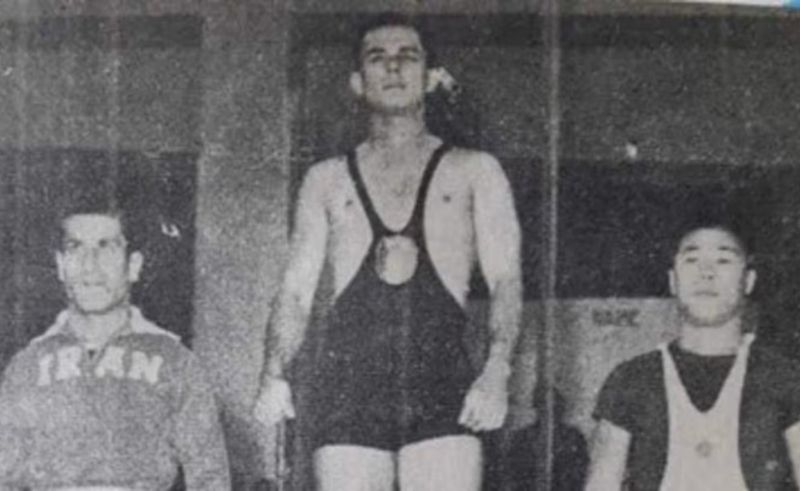 Iraq also has a single medal in its Olympic history: bronze for weightlifter Abdul Wahid Aziz in the lightweight category at Rome 1960.
Djibouti likewise has one medal in its history of participating in the Olympics – a bronze for runner Ahmed Salah in the marathon at Seoul 1988.
Iraq also has a single medal in its Olympic history: bronze for weightlifter Abdul Wahid Aziz in the lightweight category at Rome 1960.
Djibouti likewise has one medal in its history of participating in the Olympics – a bronze for runner Ahmed Salah in the marathon at Seoul 1988.
- Previous Article Hicham El Guerrouj: A Moroccan Maestro on a Track of Gold
- Next Article What is Dubai's Basketball Team Doing Competing in the EuroLeague?
Related Articles
Trending This Month
-
 Oct 04, 2026
 -

-
 Oct 05, 2026
 -