

A Major Merger Could Transform the Fabric of Egyptian Club Football
Financial struggles and declining attendance have led to proposals intended to drive competitiveness and economic stability.

Behind the scenes of Egyptian football, a proposal that could transform the league has been gaining traction, largely due to financial struggles and declining attendance. Discussions are currently underway regarding the possible merger of several traditional clubs with other teams, including a proposed example involving Ismaily SC and ENPI SC.
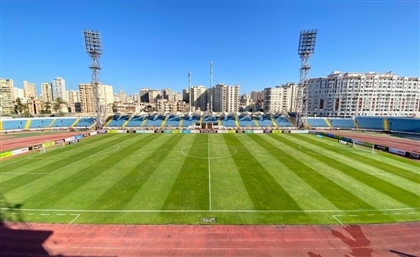
This reflection comes as part of broader concerns over the Egyptian league's declining attractiveness, with stadiums often featuring low attendance, as well as the ongoing financial struggles faced by many historic and popular clubs.
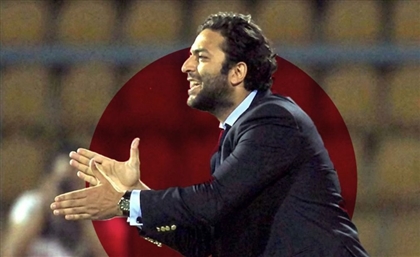
-f679202f-b9c4-4747-ba1c-cd535c58e10b.jpg) Ahmed Diab, President of the Egyptian Professional Clubs Association, clarified that the idea is closer to strategic partnerships than outright mergers. And while this remains a set of ideas rather than a finalised policy, the urgency is clear.
In the 2025–2026 season, fan-owned clubs make up just 27.7% of the topflight. The remaining 72.3% are backed by companies, state institutions, or corporate entities. That imbalance has turned what was once a fan-driven competition into something closer to a corporate league and is forcing decision-makers to look for a solution.
How Egyptian football got here
When the Egyptian Premier League kicked off in 1948, it already carried the seeds of this transformation. Two of its founding participants—Railways Club (El Sekka El Hadid) and Tram Club of Alexandria—were tied to institutions. At the time, they were exceptions in a landscape dominated by community-backed teams.
Ahmed Diab, President of the Egyptian Professional Clubs Association, clarified that the idea is closer to strategic partnerships than outright mergers. And while this remains a set of ideas rather than a finalised policy, the urgency is clear.
In the 2025–2026 season, fan-owned clubs make up just 27.7% of the topflight. The remaining 72.3% are backed by companies, state institutions, or corporate entities. That imbalance has turned what was once a fan-driven competition into something closer to a corporate league and is forcing decision-makers to look for a solution.
How Egyptian football got here
When the Egyptian Premier League kicked off in 1948, it already carried the seeds of this transformation. Two of its founding participants—Railways Club (El Sekka El Hadid) and Tram Club of Alexandria—were tied to institutions. At the time, they were exceptions in a landscape dominated by community-backed teams.
-7343ef97-4b15-4b2e-bd4c-3ca879145a56.jpg) Across nearly eight decades, around 46 institutional or company-affiliated entities entered the top division. They came from every sector imaginable: transport, petroleum, textiles, banking, military, and telecom, gradually reshaping the league’s identity.
An idea that evolved in phases:
Across nearly eight decades, around 46 institutional or company-affiliated entities entered the top division. They came from every sector imaginable: transport, petroleum, textiles, banking, military, and telecom, gradually reshaping the league’s identity.
An idea that evolved in phases:
- 2017 – Legal foundation
Egypt’s Sports Law (No. 71) allowed clubs to form joint-stock companies, opening the door to private investment.
- 2019–2020 – “One Club Per Governorate”
Early discussions suggested companies should support existing clubs instead of creating new ones.
- 2022–2023 – Parliamentary push
The idea reached lawmakers, with proposals to merge resources and transform clubs into economic entities.
- 2024–2026 – Investment model
The current approach focuses on pairing corporate funding (petroleum, telecom, banking) with historic fan identity.
What this could look like:
Several potential partnerships have already been floated, including:
- Al Ittihad × ZED
- Ismaily × Canal
- ENPPI × Mansoura
- Ceramica Cleopatra × Tanta
- Pharco × Olympic
One of the most advanced discussions involves Mansoura and the National Bank, with assurances that the club’s name and identity would remain unchanged.
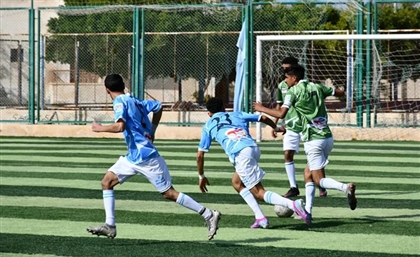
-34b4992d-e220-44ee-8282-70d569cd7974.jpg) At its core, this project is trying to solve three problems at once: Financial instability, as many traditional clubs simply can’t compete with corporate budgets. Declining attendance, with corporate teams often lack the fan culture that drives atmosphere and engagement. And Market Value, as the league’s commercial appeal depends on both competitiveness and identity.
At its core, this project is trying to solve three problems at once: Financial instability, as many traditional clubs simply can’t compete with corporate budgets. Declining attendance, with corporate teams often lack the fan culture that drives atmosphere and engagement. And Market Value, as the league’s commercial appeal depends on both competitiveness and identity.
- Previous Article A Major Merger Could Transform the Fabric of Egyptian Club Football
- Next Article Golf Saudi Opens First Five Iron Venue in Riyadh